
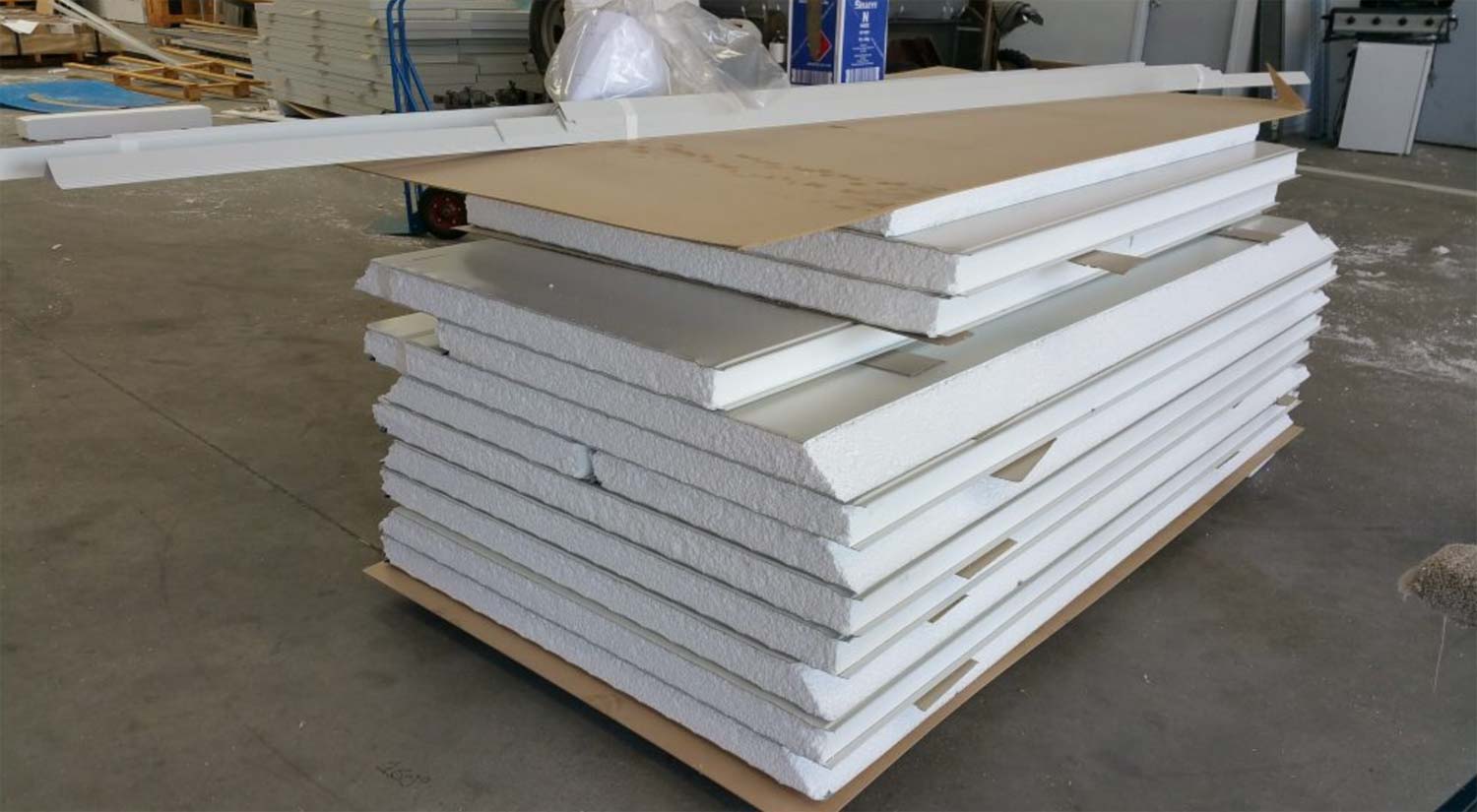
Sandwich panels are a core component in modern construction and cold storage, widely used in coolrooms, freezer rooms, and commercial buildings. Known for their strength, insulation performance and ease of installation, sandwich panels are an efficient solution for businesses across Melbourne looking to improve energy efficiency and structural performance.
In this guide, we break down the different types of sandwich panels, typical pricing factors, and where they are most commonly used.
What Are Sandwich Panels?
A sandwich panel consists of three layers:
- An insulating core (typically EPS, PIR, or polyurethane)
- Two external metal facings (usually steel)
This structure provides excellent thermal insulation, durability, and structural integrity. Sandwich panels are commonly used in coolroom panels, roofing systems, and insulated wall construction.
Types of Sandwich Panels
EPS Sandwich Panels
Expanded Polystyrene (EPS) panels are one of the most popular options for coolrooms and cold storage. They offer:
- Cost-effective insulation
- Lightweight construction
- Reliable thermal performance
EPS panels are widely used in coolroom kits and and commercial coolrooms due to their affordability and versatility.
PIR Sandwich Panels
Polyisocyanurate (PIR) panels provide higher insulation performance than EPS and are often used in environments where stricter thermal control is required.
They are commonly found in:
- Pharmaceutical storage
- High-performance cold storage
- Industrial facilities
Polyurethane (PU) Panels
PU panels offer similar benefits to PIR panels, with strong insulation properties and durability. These panels are typically used in applications where temperature consistency is critical.
Sandwich Panel Prices: What Affects Cost?
The price of sandwich panels can vary depending on several key factors:
Panel Thickness
Thicker panels (e.g. 100mm or 150mm) provide better insulation but come at a higher cost. Freezer rooms often require thicker panels than standard coolrooms.
Core Material
EPS panels are generally more affordable, while PIR and PU panels are higher cost due to their improved insulation performance.
Panel Size & Quantity
Larger projects or bulk orders often reduce the cost per panel.
Installation Requirements
Installation costs can vary depending on site access, labour requirements, and whether you’re using modular systems like DIY coolroom kits.
Common Applications of Sandwich Panels
Sandwich panels are used across a wide range of industries due to their flexibility and performance.
Coolrooms & Freezer Rooms
One of the most common uses is in commercial coolrooms, where insulation and temperature control are critical.
Food Processing & Warehousing
Sandwich panels help maintain controlled environments for food storage, logistics, and distribution.
Commercial & Industrial Buildings
They are also widely used for:
- Insulated wall systems
- Roofing panels
- Portable buildings
Doors & Access Systems
Panels are often integrated with insulated door systems to maintain thermal efficiency.
Why Sandwich Panels Are a Smart Investment
Sandwich panels offer several advantages for businesses:
- Excellent thermal insulation → reduced energy costs
- Fast installation → minimal downtime
- Lightweight yet strong construction
- Long lifespan with minimal maintenance
For Melbourne businesses investing in cold storage or insulated construction, sandwich panels provide a reliable and cost-effective solution.
For broader building standards and insulation guidance, refer to the
Australian Building Codes Board (ABCB)
and YourHome – Australian Government energy efficiency guide:
Speak to Melbourne’s Coolroom Panel Experts
Choosing the right sandwich panel depends on your application, temperature requirements, and budget. At Burton Industries, we manufacture and supply high-quality coolroom panels, sandwich panels, and cold storage solutions tailored to your business needs.
Contact Burton Industries today to discuss your project and get expert advice on the right panel system for your application.